Lidl Romania has published its eighth sustainability report for the 2024 financial year, announcing accelerated progress in reducing environmental impact. The retailer has achieved its international 2030 target for transitioning to natural refrigerants, with these now used in 100% of logistics centres and 81.7% of stores, compared to the original goal of 100% of logistics centres and 40% of stores. The company has also increased its green energy usage to 80% of total consumption.
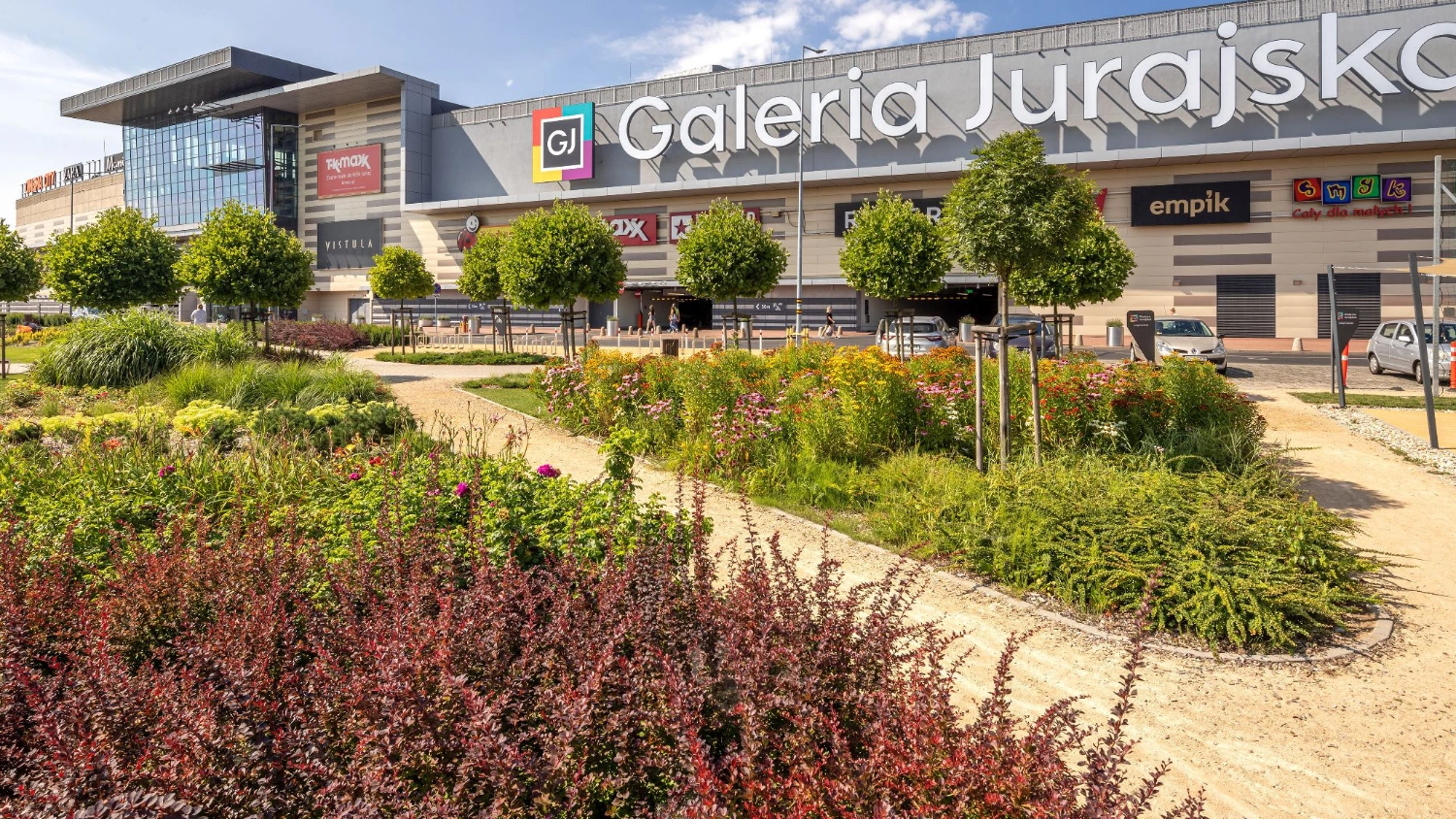
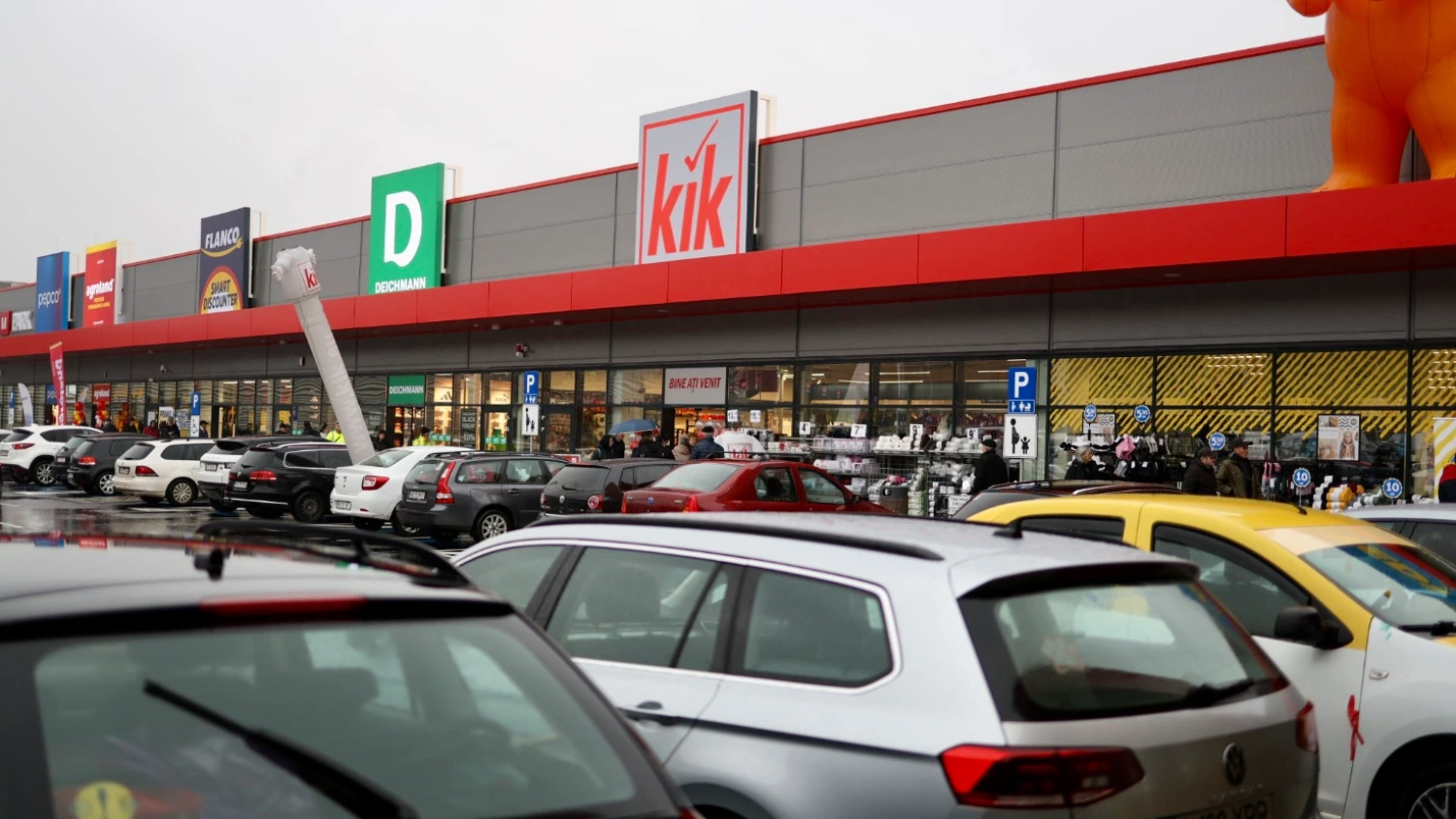
M Core has inaugurated M Park Orăștie, a retail park designed to strengthen the group's presence in regional markets and expand its national portfolio of convenience-led retail assets. Located on a 23,000 sqm land plot, the project delivers a built area of approximately 5,500 sqm.
Crestpoint Project Partners has launched a new project management and advisory platform to support developers, investors and construction companies across the real estate sector.
The European real estate industry has shifted from cautious optimism to pragmatism as geopolitical and economic uncertainty continues to temper investment activity, according to the latest report by PwC and the Urban Land Institute.
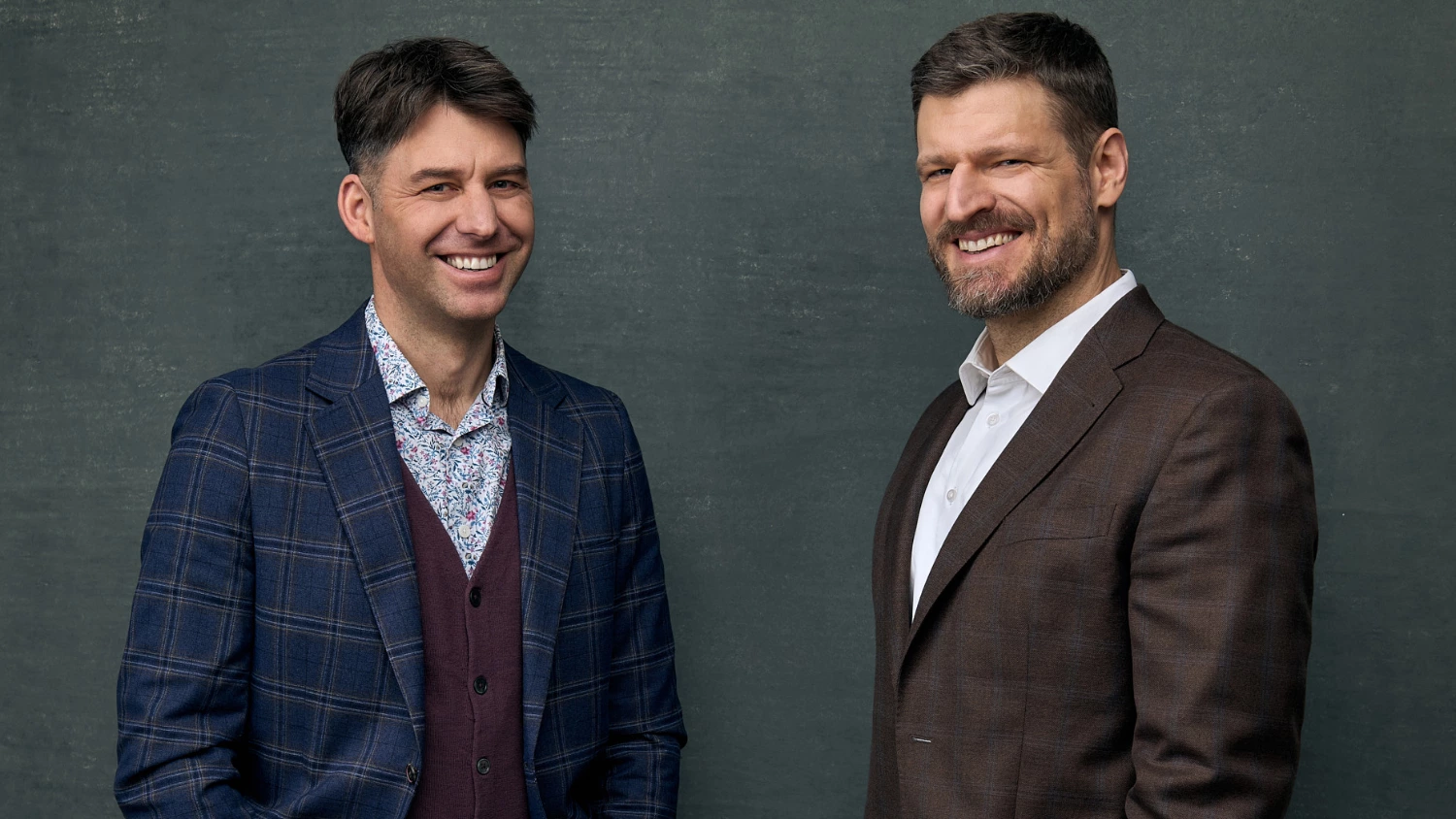
Florentin Avădanei, Founder & Co-CEO at Goldbach Group, talked to Property Forum about the company's strategy of focusing on small urban and rural areas, their consolidation in 2024, and the future of physical retail in Romania.
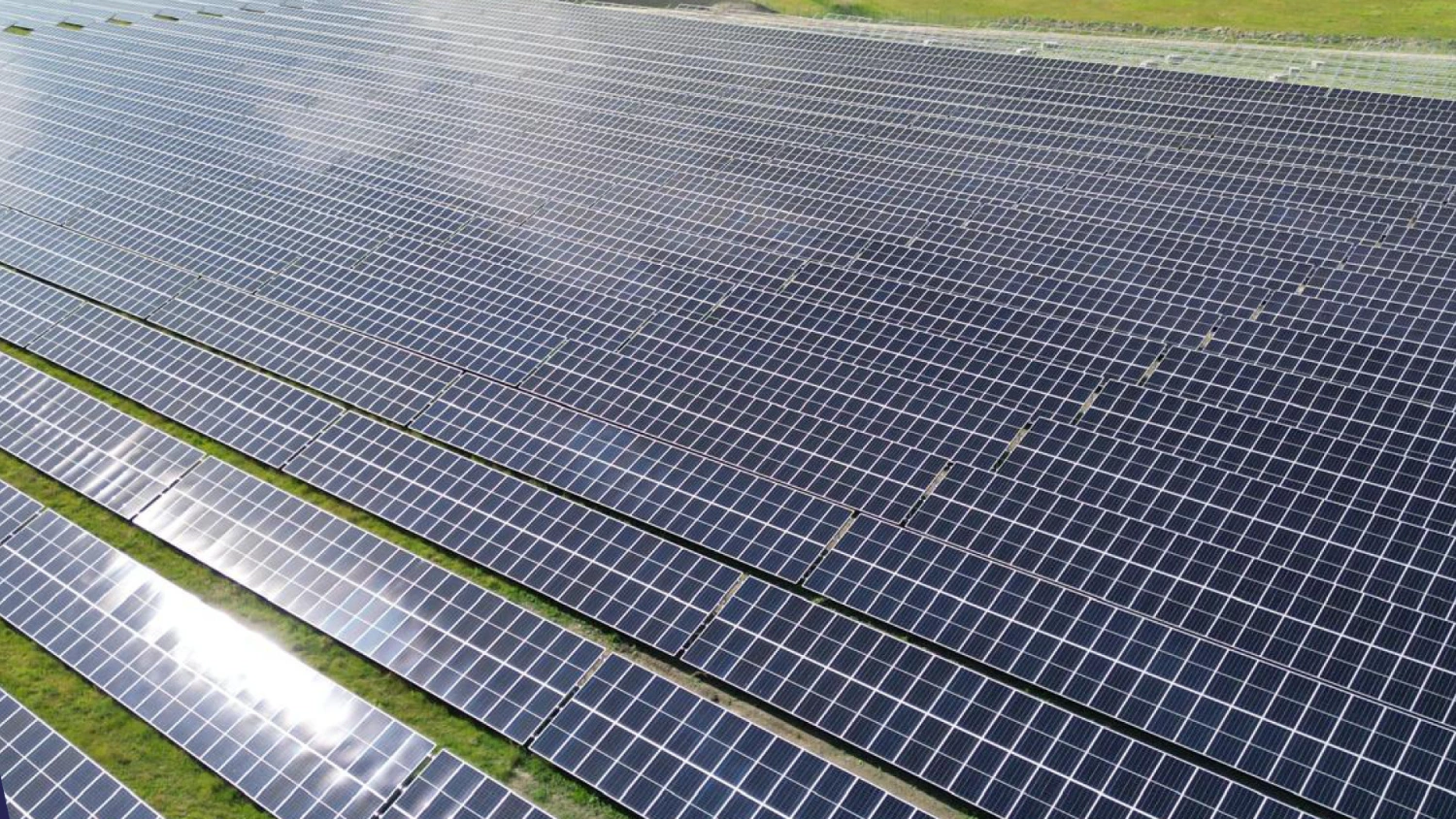
Nepi Rockcastle has inaugurated its first photovoltaic park in Chișineu-Criș, Arad County, Romania, marking a milestone in the shopping centre developer's sustainability efforts.
CPI Europe has announced an adjustment to its business strategy to better align with its existing group structure, recent business developments, and the market environment.
The European Bank for Reconstruction and Development (EBRD) is providing an additional loan of up to €72 million to BIG CEE as part of a €100 million envelope of loans to support its expansion in Serbia and the Western Balkans.
Romania's commercial property sector recorded investment transactions of €418 million in H1 2024, up 131% year-on-year, marking the biggest volume growth across CEE, according to Cushman & Wakefield Echinox.
By 2030, Auchan aims to reduce CO2 emissions by 46% compared to 2019, says Corina Dospinoiu, Sustainability Director Auchan Retail Romania. She talked to Green Forum about the 2030 Climate Plan and about the company's main sustainability targets.
Since the EU has banned single-use plastics across member countries, European FMCG and retail companies have been busy finding alternative solutions for their product portfolios and consumer offerings. We take a look at innovations in this area from Romanian and global companies.
Recovery and capitalization of waste stand out as a priority in Profi's strategy for environmental protection, says Gabriela Sirbu, Sustainability Director at Profi. She talked to Green Forum about Profi Romania's ESG strategy, the goals for this year and the investments in the community.
The European Union has reached a provisional agreement to reduce the scope and stringency of two major ESG regulatory frameworks: Corporate Sustainability Reporting Directive (CSRD) and Corporate Sustainability Due Diligence Directive (CSDDD).
Lidl Romania has published its eighth sustainability report for the 2024 financial year, announcing accelerated progress in reducing environmental impact. The retailer has achieved its international 2030 target for transitioning to natural refrigerants, with these now used in 100% of logistics centres and 81.7% of stores, compared to the original goal of 100% of logistics centres and 40% of stores. The company has also increased its green energy usage to 80% of total consumption.
Global law firm Dentons has advised OX2 on acquiring three wind power projects totaling 235 MW in Romania from Future Power. The projects, located in Vaslui and Vrancea counties, are expected to be commissioned between 2028 and 2030, subject to permitting.
Romania is emerging as a key destination for Turkish renewable energy investments, attracting growing interest from industrial and financial groups. Real grid connection opportunities for projects, infrastructure modernisation potential, and investment framework stability make Romania strategic for Turkish capital as Europe accelerates its transition to sustainable sources and energy independence.
51% of Romanian entrepreneurs see sustainability as a way to reduce operational costs, yet the same proportion say implementation is too expensive, according to a new study by BRD Groupe Société Générale. Conducted among micro and small-to-medium enterprises, the research outlines how Romanian entrepreneurs perceive the opportunities and challenges of transitioning to sustainable business models.