The current workforce landscape has been significantly influenced by recent challenges, leading to a shift in how employees perceive their well-being. This highlights the importance for employers to prioritize their employees' health and happiness, actively supporting them and fostering a workplace culture that values holistic well-being, writes Cătălin Năstăsoiu of Genesis Property.
Romanian developer Genesis Property said that it is supplying all its office and student accommodation projects in Bucharest from renewable sources, following an investment in a photovoltaic system.
For 51% of employees, it is important that the employer is involved in environmental protection, according to a survey run by Genesis Property, among 1,307 respondents nationwide.
Genesis Property, a company that owns, develops and operates of class A office buildings in Romania, announces that is committed to achieving zero carbon emissions for the buildings in its portfolio by 2030.
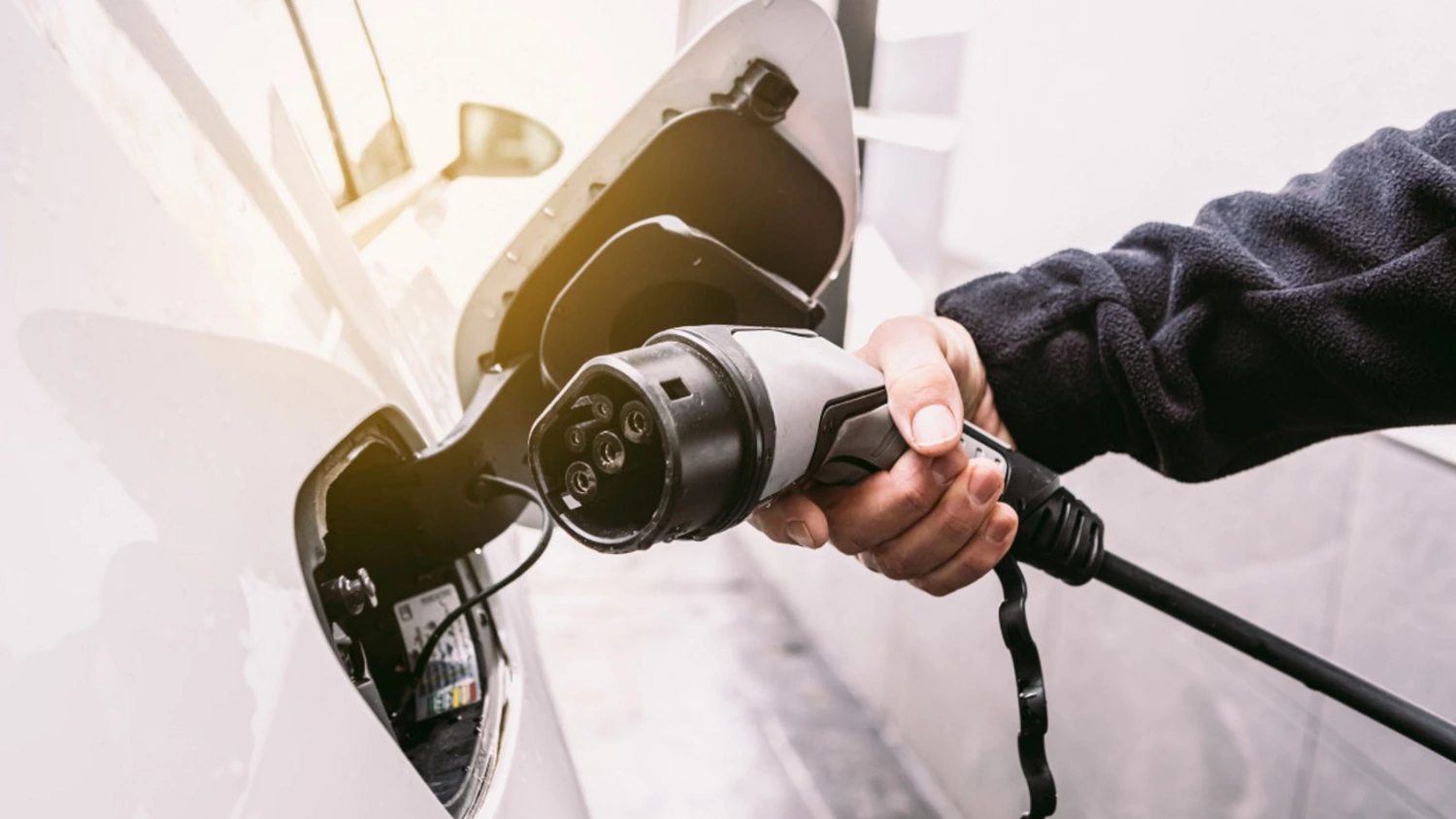
The European Bank for Reconstruction and Development is providing €35 million to GreenWay as part of a €113 million financing package to expand electric vehicle charging infrastructure across Central Europe.
The newly published Edition 2 2026 of the PV Module Manufacturer Ranking Report shows the first signs of stabilisation in the solar manufacturing sector's balance sheets after more than a year of steady deterioration. The table tracks the Altman Z-Score, a widely used measure of bankruptcy risk, for 64 publicly listed photovoltaic module manufacturers, and has now been refreshed with first-quarter 2026 data.
The Faculty of Hydrotechnics from the Technical University of Civil Engineering Bucharest and Waldevar Floating PV have signed a strategic partnership to accelerate innovation in renewable energy and prepare the next generation of specialists in floating photovoltaic technologies.
Rezolv Energy has commissioned the St. George solar park in Silistra, Bulgaria, marking the company's first project to become operational. The 225 MW facility reached full operational status in under three years from acquisition of development rights.