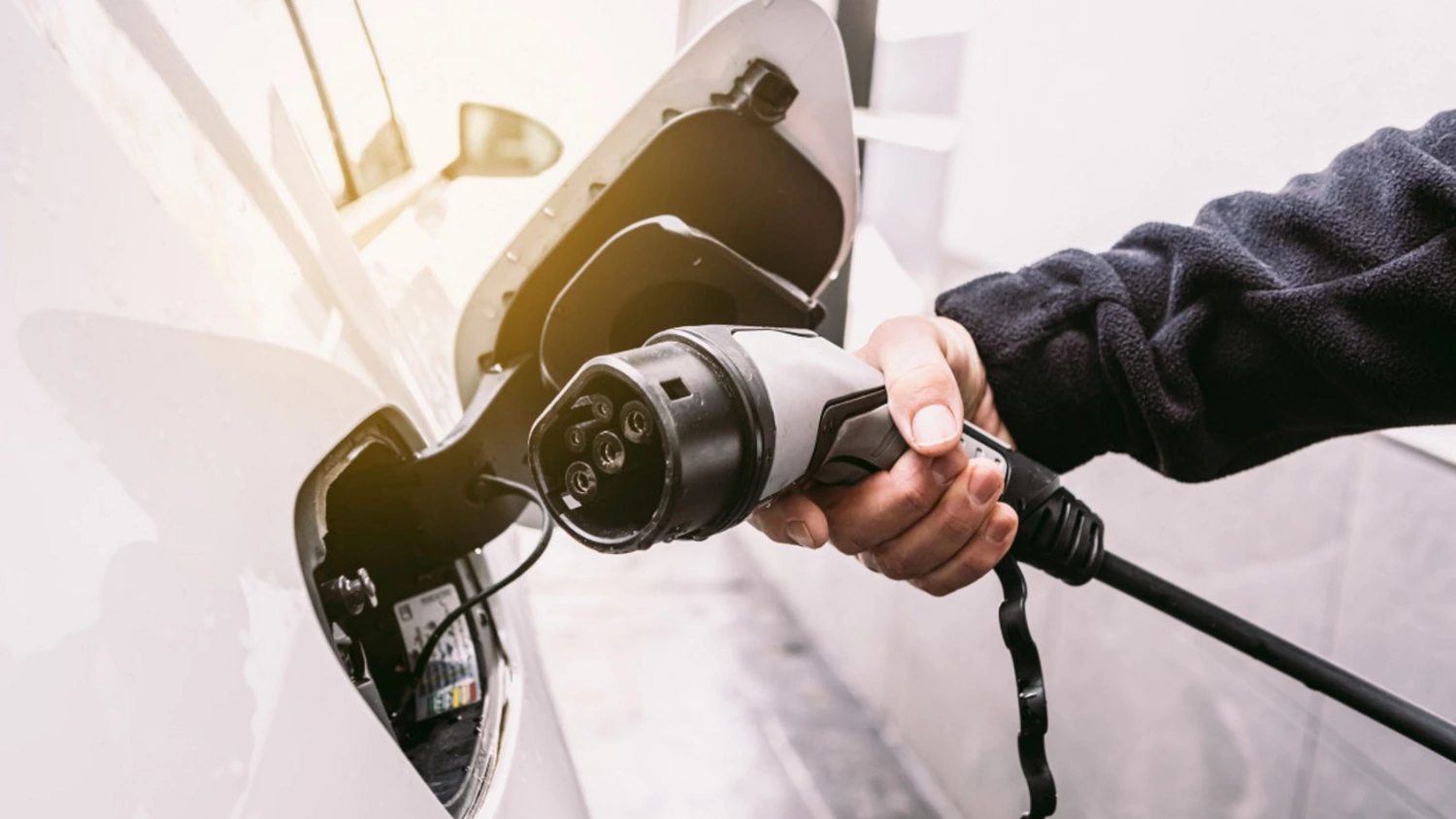


This ambitious plan dubbed the "EU Supergrid," is designed to bolster energy security, accelerate decarbonization efforts, and support the growing share of renewable energy sources.
Renewables now account for nearly 40% of Europe's electricity generation, a significant increase from 2004. The Supergrid will be instrumental in integrating even more renewables, promoting electrification (e.g., electric vehicles), stabilizing energy prices, and enhancing overall security.
Key Elements of the Plan:
Coordinated and Integrated Grid: The EU aims to achieve a fully synchronized power system across the continent. Long-term, coordinated planning at the European level will address network congestion challenges. This top-down approach will be complemented by regional collaboration, ensuring less-connected areas are not left behind.
Stronger Governance: The European Commission will propose a strengthened framework to guarantee that grid development aligns with EU climate and energy goals. Transparency and traceability throughout the planning and construction process will be a key focus.
Enhanced Security and Resilience: The plan acknowledges the need for a robust response to emerging energy security threats, including cyberattacks. Member states will collaborate on improving risk preparedness and infrastructure resilience, with a particular emphasis on hybrid threats and critical infrastructure protection.
Bridging the Investment Gap: Recognizing the significant financial resources required to modernize the grid, the Council calls for a comprehensive assessment of investment needs. The Commission will explore ways to increase overall funding, with the European Investment Bank playing a key role in supporting grid expansion and upgrades.
Faster Rollout and Sustainable Design: Streamlining grid permitting processes will expedite development while ensuring public involvement. Additionally, the plan emphasizes the need to standardize electricity infrastructure to minimize supply chain disruptions and guarantee component availability. This may involve exploring regional or EU-wide procurement initiatives and potentially adapting public procurement regulations.
The EU Supergrid represents a significant step towards a more sustainable and secure energy future for Europe. By fostering a more interconnected and resilient grid, the EU is paving the way for a cleaner and more prosperous energy landscape.