

“Europe and Argentina are partnering for a more secure, sustainable, and prosperous world. Our energy cooperation is a particularly promising field to ensure a just and clean transition on both of our continents. The Memorandum of Understanding being signed today will guide and shape our cooperation in the years to come. It is an important step in rolling out the EU's Global Gateway Investment Agenda and will help us achieve our objectives on climate and energy”, says the President of the Commission, Ursula von der Leyen.
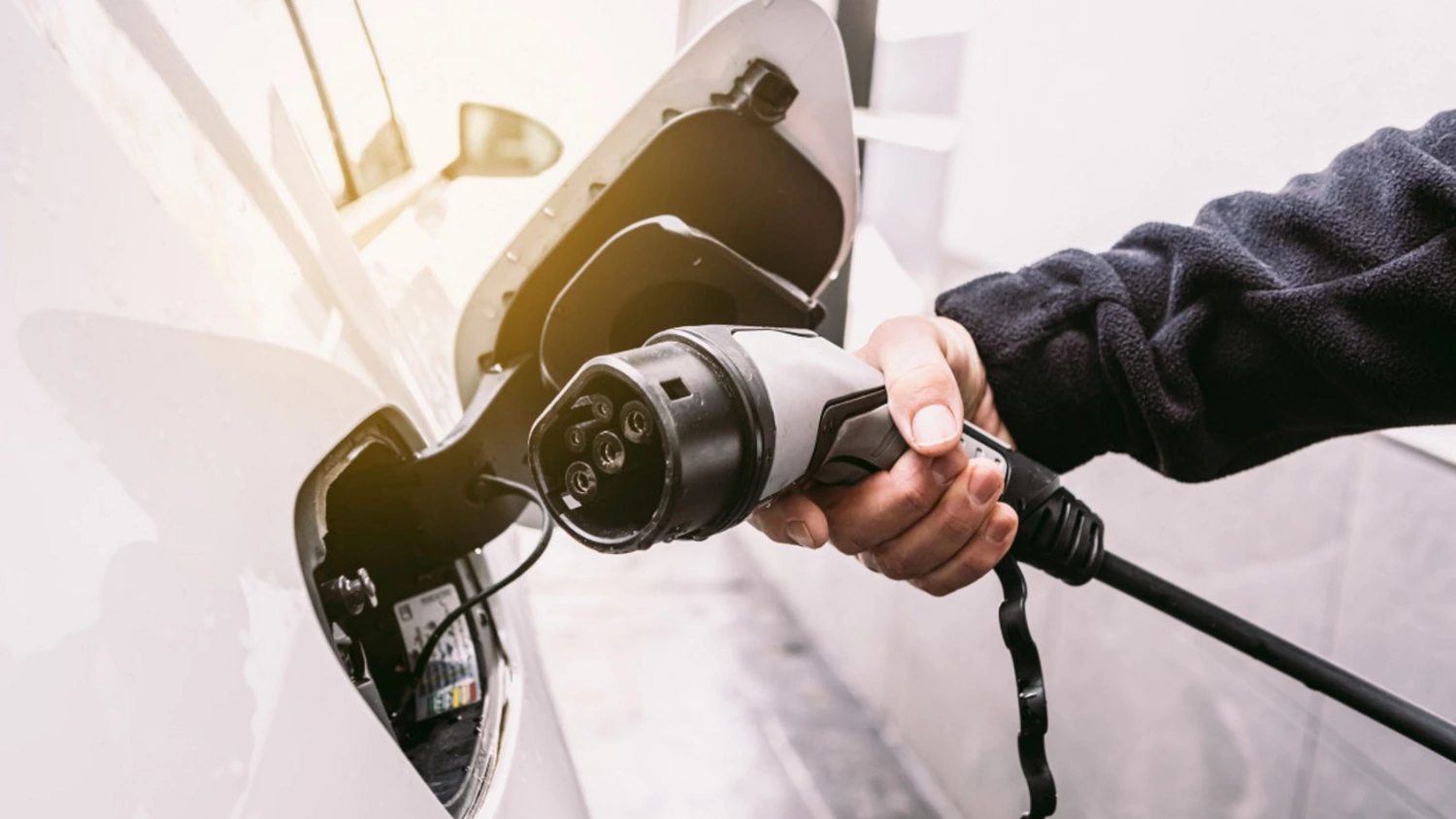
As set out in the MoU, the EU and Argentina will work together to develop and promote renewable energy and energy efficiency, as well as the use of hydrogen and its derivatives in applications, such as industrial processes, transportation, and energy storage. Enhanced energy cooperation will advance the energy transition and in-country value creation, and contribute to economic growth and sustainable local development.
The two parties also committed to endeavor to reduce methane leakages in the fossil gas supply chain to the maximum level technically feasible. Together, they will examine new technologies for reducing venting and flaring, and work to integrate recovered methane into the supply chain in order to reduce harmful emissions while increasing the efficiency of the natural gas supply chain. This will help achieve climate targets and boost the security of the energy supply.
Furthermore, the Memorandum underlines the need to ensure that future investments in promising projects or activities comply with relevant environmental legislation of both parties and take into account concerns on biodiversity degradation, and ensure the protection, conservation, and restoration of water systems and water-related ecosystems. It also emphasizes the importance of pursuing a just energy transition that respects the interests of local communities.
The EU and Argentina have a well-established dialogue on energy which covers renewables, energy efficiency, hydrogen, and natural gas. This dialogue builds on recent declarations, initiatives, and agreements set out at the High-Level Energy Dialogue and at the meeting of the Twelfth Joint Cooperation Committee between the European Union and Argentina held in Buenos Aires on 22 June 2022, under the provisions of the Framework Agreement for Trade and Economic Cooperation between the European Economic Community and the Argentine Republic of 1990.
Cooperation on renewable energy is part of the European Union-Latin America and the Caribbean Global Gateway Investment Agenda to boost a fair green and digital transition that the Commission President presented at the EU-LAC Business Round Table. The European Commission coordinates the development and implementation of the EU-LAC Global Gateway Investment Agenda (GGIA), which is a political commitment to work together, identifying fair green and digital investment opportunities in Latin America and the Caribbean, which will benefit from the open environment generated by trade and investment agreements and will help achieve the Sustainable Development Goals. It highlights over 130 illustrative projects across countries of Latin America and the Caribbean to leverage smart investments promoting sustainable growth in key sectors like health, renewable energy, digital connectivity, critical raw materials, research, and innovation.
The GGIA will be delivered through Team Europe initiatives: the EU, its Member States, development financing institutions including the European Investment Bank (EIB), export credit agencies and all other public sources of funding will be working together in public-private partnerships with the private sector.