

WindEurope is actively engaged in aligning educational systems with the workforce demands of the green transition.
Challenges Facing Europe's Green Transition
Europe must tackle three critical challenges:
Decarbonising the economy to combat climate change.
Enhancing energy security by reducing dependence on imported fossil fuels.
Boosting industrial competitiveness with affordable, renewable energy.
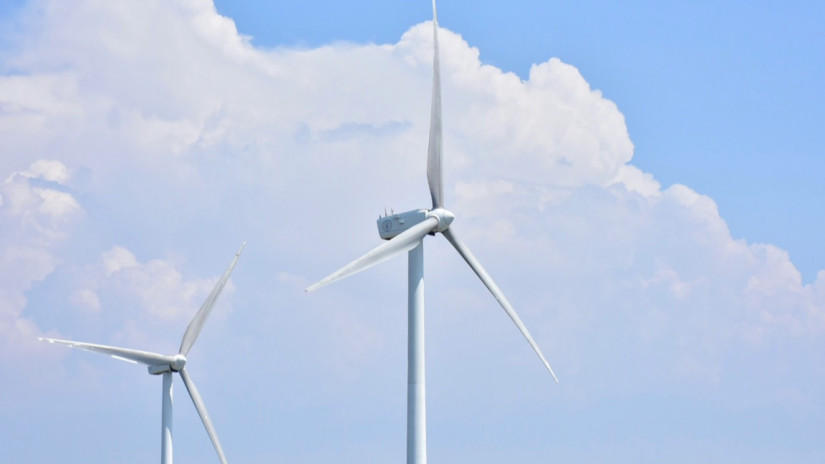
Wind energy addresses all these priorities. The EU aims to expand wind energy capacity from 225 GW to 425 GW by 2030, necessitating significant investments in manufacturing, grids, ports, and workforce development. Bridging the skills gap is essential to meet these goals.
Attracting and Training Talent for Wind Energy
To fill the projected 200,000 new roles, the industry must focus on attracting young talent, identifying required skills, and ensuring educational programmes align with industry needs. Questions remain about how to inspire interest in wind careers and adapt curricula to prepare graduates for these roles.
The EU is responding with initiatives such as an EU Vocational Education and Training (VET) Action Plan and a Strategic Action Plan for STEM Disciplines, announced by incoming Commissioner Roxana Mînzatu.
WindEurope's Education and Skills Initiatives
1. Education Roundtable
WindEurope recently hosted an “Education Roundtable,” bringing together UNESCO, the European Commission, national wind associations, academics, and school networks. The discussions focused on integrating wind energy into curricula and improving teaching capacity to meet workforce demands.
This initiative, part of WindEurope's Education for Green Transition project, combines top-down strategies (engaging international organizations like UNESCO) with grassroots efforts (partnering with schools and municipalities). It emphasizes cross-sector collaboration to develop the competencies needed for the green transition.
2. UNESCO and EU Partnerships
WindEurope contributes to UNESCO's Greening Education Partnership, which awards the Green School Label to institutions meeting sustainability standards.
In collaboration with the European Commission, WindEurope is co-developing a Massive Open Online Course (MOOC) for educators, showcasing wind energy education resources. Pilot projects in Poland, Denmark, and Ireland highlight successful industry-education collaborations, such as Irish students visiting Energia Renewables' wind farms.
3. Educational Tools and Career Support
WindEurope offers resources on its LearnWind hub, such as:
Let The Wind Blow for younger children, available in 30+ languages.
When I Grow Up, featuring inspiring stories from clean energy professionals.
Toolkits for teachers to enhance wind energy education.
Other initiatives include EU-funded projects like SKILLWIND and FLORES, as well as re-skilling programs. In Romania's coal city of Petrosani, for instance, WindEurope supports the re-skilling of 8,000 workers to transition to wind energy jobs by 2030. In Poland, the Work4Wind initiative has helped connect Ukrainian refugees with local energy companies.