Romania requests, through the RePowerEU mechanism, substantial European funds for subsidizing the installation of photovoltaic panels for natural persons. It is about €400 million, the amount that could be included in some kind of complementary program to the program of the Environmental Fund Administration for the installation of photovoltaic panels on residential homes.
The EIB Global delegation led by Vice-President Lilyana Pavlova visited Pristina to discuss cooperation opportunities aiming to strengthen connectivity, energy security, and the private sector in Kosovo. EIB intends to contribute to the transition to a low-carbon economy by supporting the development of a 100 MW solar power plant in the Obiliq area, as well as strengthening connectivity by supporting sustainable transport infrastructure.
A photovoltaic park with an installed power greater than that of a Cernavodă nuclear reactor will be built in Romania, which reflects the appetite of investors to become players in this market again. George-Sergiu Niculescu, president of the National Energy Regulatory Authority (ANRE), says that when he arrived at ANRE's management, he saw a request for authorization to establish a photovoltaic park of approximately 1,050 MW.
7 out of 10 Romanians who install photovoltaic systems are from urban areas. Also, RON35,000 (€7,000) is the average value of the projects implemented and in the process of implementation, shows a study by the company Ensys, a supplier of turnkey photovoltaic systems in Romania. It shows that the amortization period of a photovoltaic system is 2-7 years. The study shows that 7 out of 10 Romanians who install photovoltaic systems are from the urban environment, and 8 out of 10 customers who install photovoltaic systems are men.
The potential of the green energy market (solar panels, heat pumps, insulation) is estimated at over €30 billion by the year 2040. The consulting company McKinsey & Company Romania shows that Romania's transition to green energy represents a financing opportunity for banks of €20 billion.
Greece and Egypt are discussing a partnership through which the import of electricity obtained from renewable sources in Europe will be carried out through the GREGY project. GREGY will enable the supply of 3,000 MW of green energy from Egypt to Greece. The project received a vote of confidence from the governments of the countries involved.
BASF plans to invest up to €4 billion to achieve its climate protection targets by 2030. The group wants to reduce greenhouse gas emissions from our production sites and our energy purchases by 25% by 2030, compared with the 2018 baseline. BASF set a global target to promote female leadership and aims to increase the proportion of women in leadership positions to 30% by 2030.
Photon Energy Group put into operation three photovoltaic power plants near Calafat, in Dolj County. The solar parks cover 10.2 hectares of land and are equipped with approximately 10,800 solar panels.
The Arabs from Masdar want to do 2,000 MW green projects with the state company Hidroelectrica. The investments would exceed €2 billion and include offshore wind and floating solar.
Schools, hospitals, public lighting, and local administration could be supplied with green energy from a photovoltaic park. The proposal belongs to the president of the Prahova County Council, Iulian Dumitrescu, who asked the Minister of Investments and European Projects, Marcel Boloș, to allocate European funds for the construction of a photovoltaic park.
Restart Energy installed an 800 kW photovoltaic system for Rekord, a shoe manufacturer from Alba. The company will install another 300 kW for the same company. The company will eventually cover 80% of its own energy consumption.
At least 10,000 photovoltaic systems could be installed every month in Romania, says the Minister of Environment, Water and Forests, Tanczos Barna. In Romania, 3 million houses are registered. According to the minister, the issue of smart meters is a challenge, because it happened that inappropriate meters were ordered.
In 2021, the source that contributed the most to the EU's primary energy production was renewable energy, respectively 41% of the total energy production in the European Union. In the case of Romania, the main sources of energy in 2021 were natural gas (32.3%), renewable energy (26.7%), solid fuels (14.5%), crude oil (14.1%), and nuclear energy (12.5%).
The EP adopts key laws to achieve the 2030 climate goal. Free allowances under the Emissions Trading Scheme (ETS) will be phased out in 2026. GHG emissions in the ETS sectors must be cut by 62% by 2030 compared to 2005 levels.
G7 ministers finish two days of meetings on Japan's climate, energy, and environmental policy. The G7 countries set the urgent need to reduce global GHG emissions by around 43 percent by 2030. The members pledged to increase offshore wind capacity by 150 GW by 2030 collectively and solar capacity to more than 1TW.
Simtel Team wants to access credits of €100 million for photovoltaic plants with a total capacity of over 100 MWp. The decision will be approved in the General Meeting of Shareholders on April 26.
Wind and solar energy reached a record high of 12% of global electricity generation in 2022. All renewable energy sources, including nuclear power, comprised 39% of global electricity last year. Meanwhile, EU countries are lagging behind with wind power expansion.
One of UniCredit's priorities in Romania in 2022 is the implementation of the local ESG strategy, as the bank's report shows. Thus, the bank finances businesses in the area of green energy, renewable energy, and energy efficiency, and the green loan with mortgage intended for individuals continued to be one of the requested products.
The Doraly Expo Market commercial park is investing €2.1 million in energy efficiency solutions, by installing photovoltaic power plants, and charging stations for electric cars and replacing all lighting fixtures with LEDs. The photovoltaic panels will produce approximately 2,700 MWh of green energy annually, representing approximately 50% of the energy consumed.
Businessman Metin Doğan is investing over €60 million in the largest golf resort in Romania, the first stage of the project to be completed this year. The buildings will be equipped with solar panels. The complex will also include a country club and a 5-star residential complex, as well as exclusive facilities.
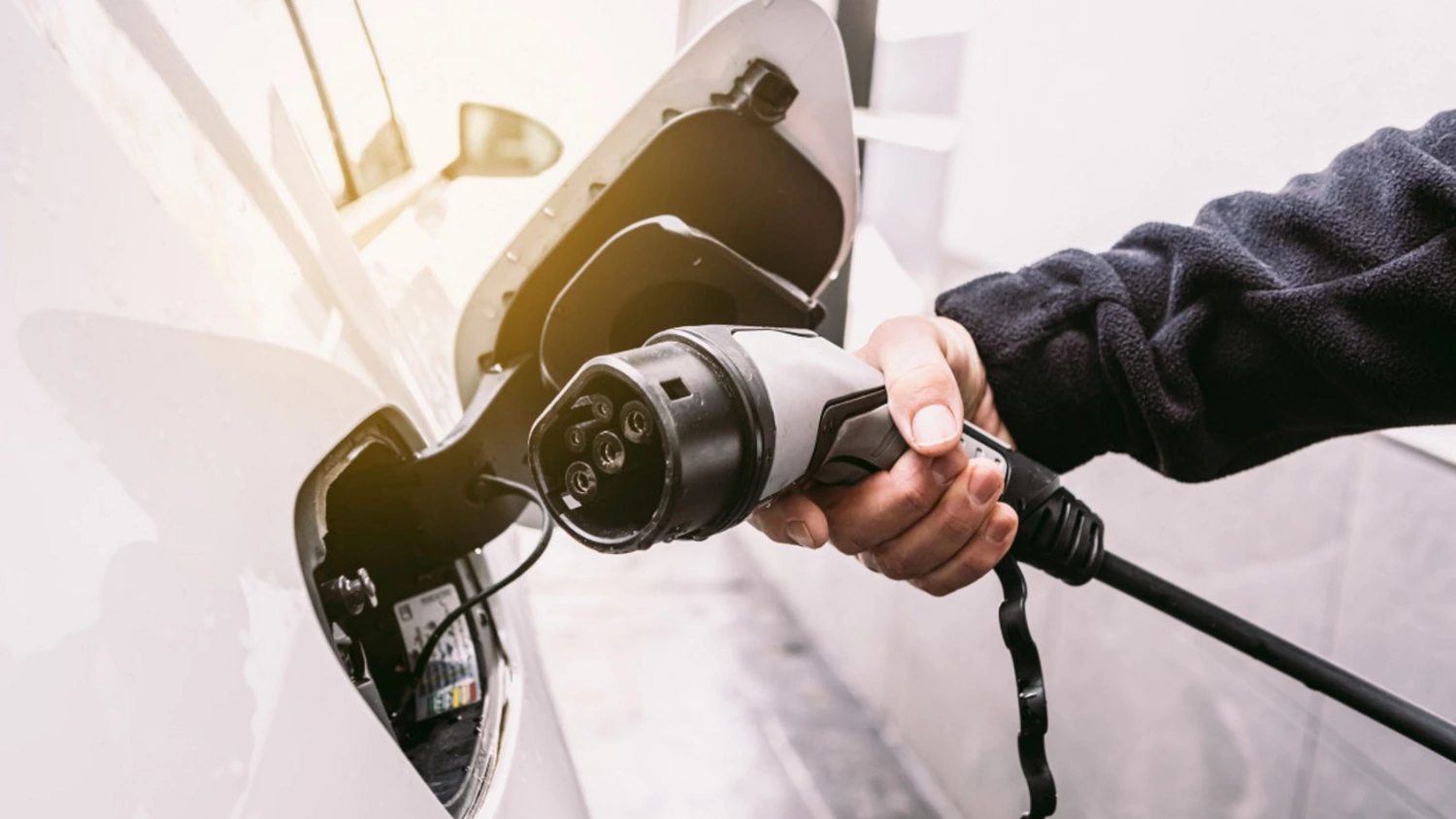
The European Bank for Reconstruction and Development is providing €35 million to GreenWay as part of a €113 million financing package to expand electric vehicle charging infrastructure across Central Europe.
The newly published Edition 2 2026 of the PV Module Manufacturer Ranking Report shows the first signs of stabilisation in the solar manufacturing sector's balance sheets after more than a year of steady deterioration. The table tracks the Altman Z-Score, a widely used measure of bankruptcy risk, for 64 publicly listed photovoltaic module manufacturers, and has now been refreshed with first-quarter 2026 data.
The Faculty of Hydrotechnics from the Technical University of Civil Engineering Bucharest and Waldevar Floating PV have signed a strategic partnership to accelerate innovation in renewable energy and prepare the next generation of specialists in floating photovoltaic technologies.
Rezolv Energy has commissioned the St. George solar park in Silistra, Bulgaria, marking the company's first project to become operational. The 225 MW facility reached full operational status in under three years from acquisition of development rights.